
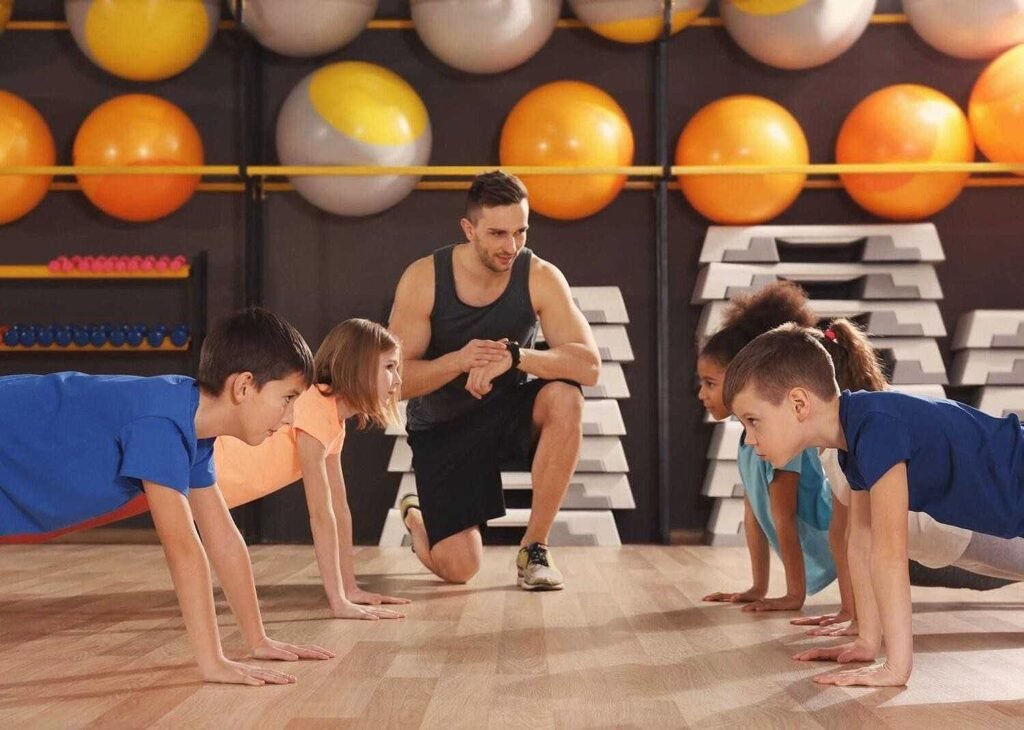
A kids athletic conditioning program for ages 8 to 13 helps young sports players build better body control, quick feet, and real stamina through simple daily movement drills. Young bodies change fast. Because of that, this type of training focuses on basic sports skills, helping kids play better in games while keeping them safe from sudden injuries.
Building active skills in young athletes is not about lifting heavy weights or pushing kids till they drop. Children between 8 and 13 experience sudden growth spurts, so their workout plan needs to match their age. A smart kids athletic routine keeps the main focus on balance, smooth landing, and quick reaction time. Combining this with well-rounded fitness activities or fun events like kids birthday parties protects soft growing bones while giving children the
Coaches and parents need to look at the full picture by focusing on clean technique, natural strength, and real rest days. Understanding how young muscles handle physical work helps you plan routines that get kids ready for game day without burning them out. Below is a simple breakdown of how to run these workouts safely.
Physical Changes in Growing Young Athletes
Growth in 8 to 13 year olds happens in sudden, unpredictable steps. Muscle strength, bones, and nervous system connections do not always grow at the exact same speed, so daily workouts need to adapt to those changes.
Nervous System Growth and Fast Skill Learning
Children in early middle childhood have a nervous system that picks up new movements very fast. During these years, practicing simple footwork drills over and over gives great results for balance and agility. The main focus must stay on bodyweight balance, running in different directions, and spatial awareness. Getting these simple habits right early creates a strong baseline for any sport they pick up later.
Bone Growth and Keeping Joints Safe
Young bones have active growth areas near the joints, and those spots can get sore from hard, repetitive jumps. Good youth athletic development relies on teaching proper landing form, keeping knees aligned, and adding extra workout time very slowly. Matching these habits with supportive, well-fitted kids athletic gear helps absorb hard foot strikes, keeping problems like shin splints or heel pain away.
Main Parts of a Youth Conditioning Setup
A solid workout plan combines easy movement, bodyweight exercises, quick speed work, and smart rest periods. Each piece has a clear job in keeping young athletes moving well without getting hurt.
Bodyweight Strength Without Heavy Extra Weights
For kids aged 8 to 13, bodyweight movement always comes first before adding outside gym tools. Incorporating structured fitness routines such as circuit training exercises for kids along with regular squats, push-ups, step lunges, and plank holds builds strong joints without straining growing bodies. Good form is the most important part here. Having a parent or trainer watch their movement keeps unwanted stress off active joints.
Direction Shifts and Quickness Drills
Speed work for young kids is not about raw muscle power. It comes down to fast reaction time and simple running form. Setting up basic agility ladders, ground cones, and short shuttle runs helps kids build faster foot turnover. These specific drills sharp the exact footwork patterns young players use during real games and team practice.
Safety Steps, Gear Choice, and Rest Time
Staying consistent with safety habits and proper downtime keeps young players moving forward without getting tired or burnt out.
Picking the Right Gear for Daily Practice
Having simple, reliable gear makes kids athletic training easier and keeps practice safe. Alternating between sports conditioning and specialized sessions like boxing classes for kids also keeps young athletes engaged. Key gear items include:
Footwear: Multi-surface court shoes with solid side support and reliable grip.
Clothing: Breathable, comfortable clothes that do not catch on gear or restrict movement.
Training Tools: Light plastic cones, soft foam jump boxes, and light rubber resistance bands designed for young kids.
Water Breaks and Recovery Days
Young bodies take longer to cool off during exercise, making plain water breaks necessary before, during, and after practice. Mixing in soft stretching after workouts, setting steady bedtime hours, and serving balanced meals gives kids the energy they need to recover well before the next session.
Real World Examples: Weekly Training Plans
Here is how coaches and parents can organize a simple 45-minute conditioning workout for different age groups.
Case Model A: Ages 8 to 10 (Fun Movement Basics)
Start with a 10-minute active warm-up using bear crawls, high knees, and easy lunges. Next, move into a 20-minute block of agility ladder drills and fun tag games to build space awareness. Finish the last 15 minutes with basic bodyweight core holds like planks and glute bridges before a short, quiet stretch.
Case Model B: Ages 11 to 13 (Structured Sports Workout)
Kick off with 10 minutes of mobility movement targeting ankle and hip flexibility. Move into a 25-minute main set covering light band squats, controlled push-ups, lateral shuttle runs, and short box jumps. Wrap up with 10 minutes of simple leg stretches and a quick water break to build good recovery habits.
Frequently Asked Questions
Is strength training safe for children aged 8 to 13?
Yes, strength training is completely safe when it focuses on bodyweight work and light resistance under watchful adult supervision. It builds strong joints and endurance without putting extra stress on growing bones.
How many days a week should a child do athletic conditioning?
Two to three non-consecutive days each week is the best schedule. This gives steady physical progress while offering enough rest time to avoid physical fatigue and mental burnout.
What is the difference between specialized sport training and general athletic conditioning?
General athletic conditioning builds overall movement skills, footwork, and stamina that help in any sport. Specialized training focuses only on specific skill sets built for one single sport.
What type of shoes should young athletes wear during workouts?
Children need supportive cross-training shoes with good heel padding and side ankle support that work well on both indoor gym floors and outside grass fields.
How can parents prevent overuse injuries in young athletes?
Encourage kids to try different sports across the year, track their total active hours each week, make sure they get enough sleep, and take care of small aches right away before they turn into bigger problems.