
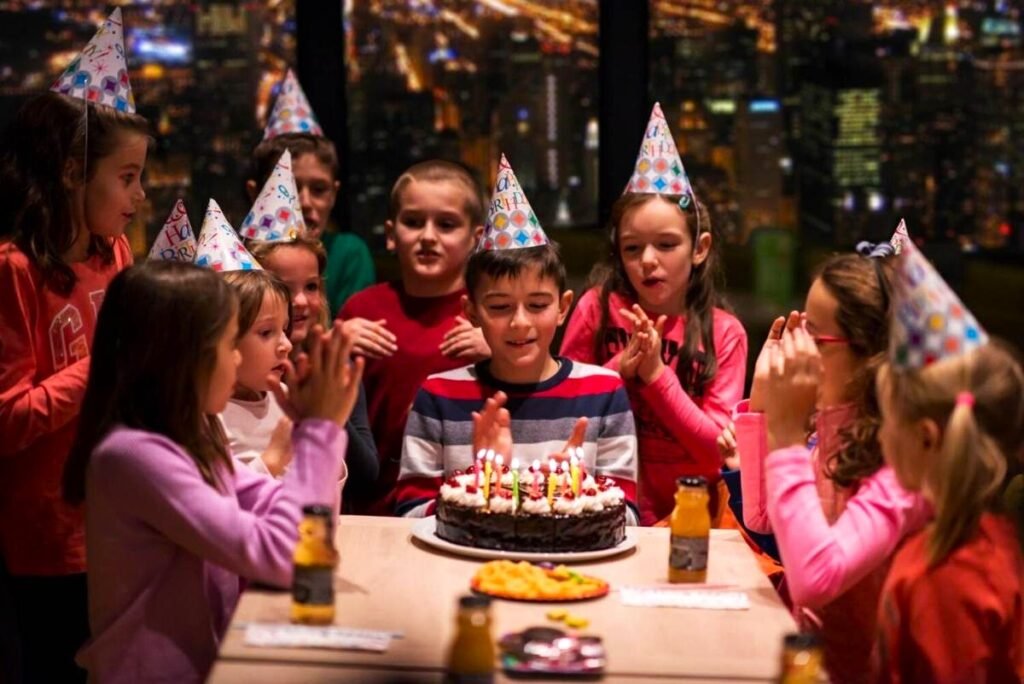
A kids birthday party at an active venue is a structured event centered around physical entertainment, where facilities provide supervised movement activities, dedicated event spaces, and hosted coordination for children. These specialized environments combine active play (such as trampoline jumping, martial arts, gymnastics, or obstacle courses) with private party rooms to streamline management, maximize physical engagement, and reduce event logistics for hosts.
Selecting the right location for a child’s milestone celebration requires balancing physical capacity, age-appropriate activity design, guest safety protocols, and operational costs. Modern parents and event planners increasingly prioritize venues that combine structured play with turn-key facilitation, ensuring that energy outlets are matched with strict supervision standards. Booking professional kids birthday parties allows organizers to evaluate venue categories, staff-to-child ratios, food handling rules, and package inclusions to execute smooth events that accommodate diverse group sizes and age groups.
Understanding the operational differences between various venue types ensures that event expectations align with child development needs. From toddler-friendly soft-play spaces to high-intensity action centers for older youth, selecting a location involves assessing physical safety parameters, facility cleanliness, reservation timelines, and total value. This guide details key criteria for evaluating active party spaces, structuring timelines, and managing party logistics.
Evaluating Venue Categories for Active Kids Parties
Selecting an active event space depends largely on the age group, skill level, and play style of the attending guests. Active event centers fall into distinct operational categories, each offering tailored equipment, spatial layouts, and staff supervision models.
Trampoline Parks and Action Sports Centers
Action-oriented centers featuring interconnected trampolines, foam pits, ninja warrior courses, and climbing walls serve as high-energy kids birthday party places. These facilities excel at accommodating energetic groups, offering high physical output through structured free play or guided dodgeball and obstacle challenges. Operators typically enforce strict safety rules, requiring specialized grip socks and dedicated court monitors to oversee jumper safety.
Gymnastics and Martial Arts Facilities
Gymnastics academies and martial arts dojos offer structured movement programs led by trained instructors. These places for childrens birthday party events utilize spring floors, balance beams, foam blocks, and open mats to host organized relay races, obstacle courses, and introductory skill lessons. The high level of staff-guided interaction makes these spaces particularly well-suited for younger groups requiring structured direction rather than unstructured free play.
Indoor Playground and Soft-Play Spaces
Designed specifically as birthday party places for kindergarteners and toddlers, soft-play facilities feature padded climbing structures, mini slides, ball pits, and sensory play zones. These venues prioritize low-impact, contained play environments where early childhood guests can explore safely without competing against older children. The contained design simplifies guest tracking and parent supervision.
Safety Standards, Capacity Limits, and Staffing Ratios
Facility safety and operational management dictate the quality of an active event. Evaluating risk management standards, employee training, and room capacities protects guests and prevents event bottlenecks.
Staffing Ratios and Floor Supervision
The quality of supervision varies significantly across kids birthday party places near me. Premier facilities maintain dedicated host-to-child ratios, typically 1 staff member for every 8 to 10 children for active play zones, and 1 to 5 for toddler areas. Dedicated party hosts manage the event timeline, assist with footwear and safety gear, control court traffic, and manage food service in private rooms.
Liability Waivers and Equipment Maintenance
Active party venues for children’s parties mandate completed liability waivers for all participating minors prior to floor entry. Well-operated facilities utilize digital waiver systems to streamline check-in processes. Facilities must adhere to routine equipment inspection protocols, including daily cleaning of padded surfaces, foam pit sanitization, and structural checks on rigging, ropes, and trampolines.
Core Planning Elements: Activities, Food, and Packages
A successful event balances organized physical play with structured downtime for refreshments and celebratory traditions. Party packages vary, requiring organizers to evaluate inclusions carefully.
Structuring Engagement and Play Timelines
The most effective children’s birthday party places structure two-hour booking windows into clear operational phases:
Registration and Gearing Up (15 Minutes): Check-in, waiver verification, wristband application, and shoe storage.
Structured Active Play (60 Minutes): Guided games, open court access, or obstacle challenges under staff supervision.
Private Party Room Access (35 Minutes): Pizza service, cake celebration, and beverage distribution.
Departure and Gift Consolidation (10 Minutes): Final room clearance, favor distribution, and guest pickup.
Catering Protocols and Dietary Accommodations
Food management at children’s birthday party locations is often restricted by venue policies. Many indoor active centers maintain exclusive catering agreements or limit outside food to cakes and cupcakes due to health codes and allergy risks. Organizers should confirm whether facilities accommodate nut-free requirements, allow outside catering for special dietary needs, or provide refrigeration for ice cream products.
Practical Application: Real-World Event Coordination Models
Evaluating how active kids birthday party venues handle logistics across different group sizes highlights the importance of clear operational planning.
Case Model A: The Kindergarten Soft-Play Celebration
A host books a two-hour package at a soft-play venue for fifteen 5-year-old children. The venue assigns two party hosts to manage check-in, assist with shoe removal, and guide guests through an introductory group warm-up game. Because soft-play equipment is completely contained, parents observe from an adjacent seating zone while hosts manage toddler navigation on climbing decks. Food service consists of pre-ordered personal pizza boxes and juice pouches, allowing the host to run cake service on a strict 30-minute room schedule.
Case Model B: The Youth Ninja Warrior Challenge
A party of twelve 10-year-old children attends a ninja obstacle facility. The event incorporates structured birthday party activities for kids, including a timed obstacle course competition led by a certified gymnastics instructor. The instructor conducts safety briefings, demonstrates landing techniques, and scores individual runs. Following court play, the group moves to a dedicated party loft where the host coordinates pizza delivery, handles room cleanup, and packs gifts into a single cart for easy transport to the host’s vehicle.
Frequently Asked Questions
What is the recommended time frame for booking an active party venue?
Most popular active venues require reservations 4 to 8 weeks in advance, particularly for peak weekend time slots (Saturday and Sunday mid-day). Early booking ensures preferred room access, dedicated host assignments, and sufficient time to collect guest liability waivers.
How are liability waivers handled for attending guests?
Venues require a parent or legal guardian to sign a digital liability waiver for every minor before they enter active play zones. Event hosts typically receive a unique web link to send to invited families alongside invitations, allowing waivers to be completed online prior to the party date.
What should children wear to an active indoor party venue?
Attire should consist of comfortable athletic clothing, such as t-shirts, leggings, or athletic shorts, without sharp metal zippers, snaps, or dangling strings. Most trampoline and soft-play facilities require facility-specific non-slip grip socks, while gymnastics or martial arts venues may require bare feet.
How do venues handle food allergies and outside catering restrictions?
Most active party venues allow outside cakes, cupcakes, or sealed ice cream, but restrict general outside meals due to exclusivity contracts with local pizzerias or catering partners. Hosts must notify the venue in advance regarding severe peanut, dairy, or gluten allergies to arrange safe food handling or custom menu substitutions.
What is the ideal group size for an active indoor birthday party?
The optimal group size ranges from 10 to 20 children per party host. This group size maintains high engagement during active play, fits comfortably within standard private party room layouts, and ensures staff can supervise movement areas effectively.