
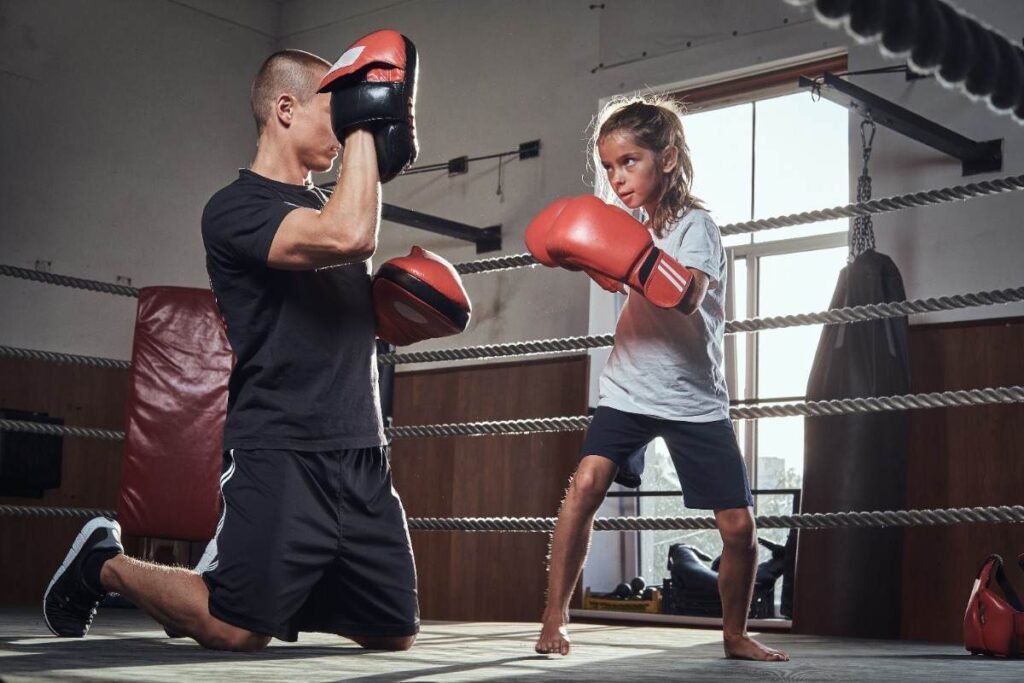
Kids boxing classes are structured combat sports programs designed for youth, typically ages 5 to 17, that focus on fundamental strike mechanics, footwork, balance, and physical conditioning within a controlled, contact-monitored environment. These programs build cardiovascular endurance, motor skills, and functional strength while teaching self-defense principles, emotional control, and behavioral discipline without exposing participants to unsafe competitive sparring.
Most parents who look into youth boxing near me aren’t trying to groom the next professional world champion. What they actually want is a safe, high-energy environment where their kids can build confidence, blow off steam, and pick up solid physical habits. Signing up for structured boxing classes for kids delivers on every front, blending physical conditioning with core character traits like resilience and self-control. Before searching for kids boxing classes near me, understanding how classes are structured from safety protocols and technique progressions to coaching styles helps families choose a facility that fits their child’s needs.
The Physical and Neuromuscular Benefits of Kids Boxing Classes
Enrolling in kids boxing forces the entire body to work as a unified system. Every strike starts down at the feet, drives through the hips and torso, and snaps out through the arms, making boxing for kids near me one of the most effective ways for growing children to develop spatial awareness and physical coordination.
Kinetic Chain Activation and Dynamic Balance
Solid punching technique in children’s boxing classes near me always starts from the ground up. Beginners learn to set a balanced stance with a low center of gravity, keeping their weight evenly distributed across both feet. When throwing a jab or cross during boxing lessons, energy transfers sequentially up through the legs, hip rotation, and core torque before reaching the shoulders. Mastering this sequence sharpens overall posture, balance, and agility, giving kids motor skills that transfer directly into other sports.
Cardiovascular Conditioning and Anaerobic Capacity
High-quality youth boxing classes near me constantly shift between rapid bursts of effort and short recovery periods. Combining heavy bag rounds, jump rope drills, and quick footwork exercises pushes both the aerobic and anaerobic systems. Children build genuine cardiovascular endurance and lung capacity without the dull repetition or joint wear that comes with long-distance running.
Mental Fortitude, Discipline, and Emotional Regulation
Beyond the physical workout, kids boxing classes serve as a demanding mental exercise. The natural routine of a traditional boxing gym teaches young athletes how to listen, stay composed, and keep their cool when training gets tough.
Developing Stress Tolerance and Resilience
Learning complex striking patterns in boxing classes for youth near me takes patience and repeated effort. Young boxers routinely run into moments where their shoulders burn or a footwork drill feels hard to coordinate. Working through these moments under a coach’s eye builds real grit, teaching children how to process frustration, stay calm under pressure, and persist through challenging tasks.
Channeling Energy and Improving Focus
For kids with high energy levels or short attention spans, enrolling in kick boxing classes offers a productive, hands-on outlet. Bag work and pad training require full engagement athletes have to track their stance, footwork, breathing, and hands all at once. This constant focus helps quiet restlessness, giving children a healthy way to direct their energy that reflects positively at home and in school.
Core Curriculum: What Kids Learn in Boxing Lessons
A quality kids boxing classes curriculum moves through clear developmental stages, prioritizing balance, footwork, and basic defense long before introducing complex combinations or contact.
Stance, Guard, and Footwork Fundamentals
Every student begins their boxing lessons with stance mechanics: orthodox or southpaw. Kids learn to keep their knees soft, hands up to shield the jaw, and elbows tucked tight against the ribs. From there, they practice basic steps, lateral movements, and quick pivots so they can advance, retreat, and change angles without throwing off their balance.
The Six Basic Punches and Defensive Guards
Once students hold a stable stance in their kids boxing sessions, coaches introduce the standard numerical punch system:
1 – Jab: A quick, straight lead-hand strike used to gauge distance and establish rhythm.
2 – Cross: A powerful straight rear-hand punch driven by full hip rotation.
3 & 4 – Lead and Rear Hooks: Rotational strikes aimed at side targets.
5 & 6 – Lead and Rear Uppercuts: Vertical upward punches powered by driving up from the legs.
Defensive movements like slipping, ducking, parrying, and blocking are taught right alongside offensive punches so students understand that every strike requires defensive coverage.
Evaluating Gym Safety, Gear, and Coaching Standards
Safety is the absolute priority when selecting youth boxing near me facilities. Top gyms enforce strict floor rules, mandate proper protective gear, and keep non-contact technique sessions separate from sparring.
Equipment and Personal Protective Gear
Properly fitted gear protects growing joints and keeps kids boxing classes safe:
Hand Wraps: 120-inch to 180-inch cloth wraps or gel quick-wraps to support wrists and protect knuckles.
Training Gloves: 10 oz to 14 oz heavily padded gloves built specifically for bag work and pad drills.
Headgear and Mouthguards: Mandatory protective equipment for any light technical contact or partner drills.
Footwear: Lightweight athletic shoes or specialized boots that allow quick pivots without catching on floor mats.
Non-Contact vs. Supervised Sparring
Parents looking for children’s boxing classes near me should confirm that a gym keeps a clear boundary between fitness-based skill classes and competitive training. Beginners and younger children in boxing for kids near me should work strictly on heavy bags, focus mitts, and shadowboxing. Any light technical contact should remain completely optional, limited to older or advanced students, and supervised one-on-one by a qualified coach with full protective gear.
Practical Application: A Typical 60-Minute Youth Boxing Class
Knowing how standard kids boxing classes near me run helps parents and kids know exactly what to expect during their first visit.
Phase 1: Warm-Up and Mobility (10 Minutes)
Classes begin with dynamic movement to raise the heart rate and warm up joint fluid. Typical drills in boxing classes for youth near me include jump rope, arm circles, high knees, inchworms, and light shadowboxing.
Phase 2: Technical Demonstration and Shadowboxing (15 Minutes)
The head coach demonstrates a specific footwork pattern or combination. Students in youth boxing classes near me then line up to practice the mechanics in front of mirrors while coaches walk the floor to correct stance width, hand position, and balance.
Phase 3: Heavy Bag Work and Partner Mitt Drills (20 Minutes)
Students apply their combinations on heavy bags or focus mitts with a partner during kick boxing classes. Rounds are timed usually two minutes of active work followed by 45 seconds of rest with short conditioning tasks like squats or plank holds mixed into the breaks.
Phase 4: Cool-Down, Conditioning, and Values Review (15 Minutes)
The session wraps up with core exercises, static stretching, and deep breathing. Most kids boxing classes conclude with a quick group huddle where coaches speak briefly about core character values like respect, effort, sportsmanship, and self-discipline outside the gym.
Frequently Asked Questions
Is boxing safe for young children?
Yes. When taught in a non-contact environment focused on technical drills and bag work, kids boxing classes have low injury rates comparable to or safer than field sports like soccer or basketball. Beginners work on bags and pads, eliminating the risk of head contact.
What is the ideal age for a child to start boxing classes?
Most gyms offer introductory kids boxing programs for children starting around age 5 to 7. At this age, classes focus on body awareness, footwork games, coordination, and fundamental stance balance rather than complex fighting strategies.
What is the difference between boxing and kickboxing classes for kids?
Standard boxing lessons concentrate entirely on upper-body mechanics punches, head movement, and footwork. Specialized kick boxing classes include punches but also incorporate kicks and knee strikes, which require broader stances and more hip flexibility.
What equipment does my child need for their first boxing class?
For a trial class in children’s boxing classes near me, standard athletic clothes, supportive sneakers, and a water bottle are all that is required. Gyms usually provide loaner gloves. Once enrolled, parents should purchase dedicated hand wraps and a pair of 10 oz to 12 oz boxing gloves.
Can boxing help children who struggle with discipline or focus in school?
Yes. Enrolling in boxing classes for youth near me requires active physical focus and fast mental processing. The structured environment, clear rules, and high engagement of pad training help channel excess energy, build attention span, and encourage respectful habits that transfer well to school.