
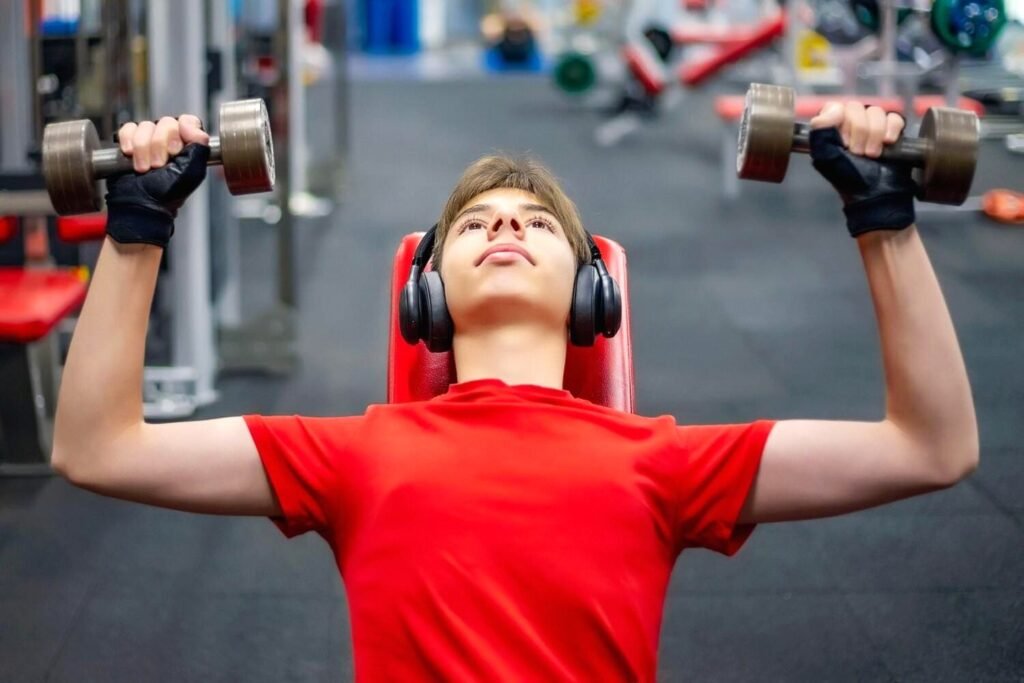
Teen fitness training gives high school athletes and active teens a real physical base, building genuine strength, quick feet, and endurance through simple exercise routines. Young people go through huge physical changes. Because of that, a smart workout plan focuses on clean movement habits, helping teens play better in their favorite sports while protecting them from sudden joint or muscle injuries. Getting teenagers strong is not about piling heavy weights onto a barbell or pushing them until they collapse. Kids between 13 and 18 experience rapid growth spurts, so their daily workout routine needs to match their age and physical setup. A well-planned teen fitness training schedule keeps the focus on core stability, smooth joint movement, and balanced muscle growth. Combining this with well-rounded kids fitness programs protects soft growing bones while giving high schoolers the physical power they need on the field. Coaches and parents need to look at the big picture by focusing on proper lifting form, natural energy, and solid rest days. Understanding how teen muscles handle physical stress helps you set up workouts that prepare them for game day without burning them out. Below is a clear breakdown of how to run these training sessions safely and effectively.
Body Changes and Strength Development in Teenagers
Growth in teenagers happens in sudden, uneven steps. Muscle strength, bone length, and nervous system connections do not always grow at the exact same speed, so daily workouts need to adjust to those shifts.
Natural Hormone Shifts and Building Real Muscle
During the teen years, rising natural hormone levels help body tissue recover and adapt much faster. High schoolers shift from simple childhood movement drills to real muscle development. Following a structured workout program lets teens build functional strength safely, strengthening tendons and stabilizing joints alongside natural muscle growth.
Protecting Growth Plates During Lifting
Teen bones still have active growth areas near the joints, and those spots can get sore from heavy, poor-form lifts. Smart training routines focus on simple movement checks, keeping the spine straight, and controlling speed on every rep. Teaching young lifters clean form before adding extra weight protects joint cartilage and keeps painful overuse problems away.
Core Parts of Teen Fitness Training
A complete youth sports conditioning plan combines functional strength, aerobic capacity, explosive speed, and joint mobility to build overall athleticism.
Functional Strength and Multi-Joint Movements
Building sports power comes from practicing natural movement patterns rather than isolating tiny muscle groups on gym machines. Great routines focus on simple everyday actions: squats, hip hinges, chest presses, back rows, lunges, and core rotations. Integrating foundational circuit training exercises for kids along with bodyweight work, medicine balls, and free weights builds core firmness and ground power, which carries directly over to sprinting, jumping, and cutting on the field.
Balancing Aerobic Base and Fast Sprint Power
Sports performance depends on two main energy paths that require different kinds of practice:
Aerobic Fitness Training: Low-intensity jogging and steady cardio work build heart strength and stamina, keeping young players fresh late into long games.
Anaerobic Fitness Training: Short, max-effort sprint drills and quick shuttle runs train fast-twitch muscles, sharpening explosive acceleration and repeatable game speed.
Group Sessions vs Individual Coaching
Workout setups depend on what a young athlete needs most. High schoolers often enjoy structured group classes that build friendly team energy and keep motivation high. On the other hand, teens who need specific movement fixes, injury recovery, or individual attention do better with a dedicated personal trainer for kids tailored to their exact goals.
Room Safety, Gear Choice, and Recovery Habits
Enforcing clear room supervision, picking simple gym gear, and sticking to rest habits prevents physical burnout and keeps young athletes moving well.
Choosing Safe Gear for High School Workouts
Having reliable, straightforward gear keeps workouts safe and easy to follow. Complementing general conditioning with active sessions like boxing Classes for Kids or participating in energetic group events like sports conditioning for kids keeps young athletes engaged. Key gear items include:
Footwear: Flat-soled cross-trainers or lifting shoes that give solid ankle support and ground balance during squats.
Free Weights: Bumper plates, trap bars, and kettlebells that allow comfortable lifting setups no matter how tall a teen is.
Facility Layout: Open turf space for lateral agility drills, wall ball throws, and short sprint starts.
Water Breaks, Meals, and Sleep Schedules
Adapting to tough workouts requires real effort off the gym floor. Teen athletes need 8 to 10 hours of solid sleep every night so their nervous system and muscles can rebuild. Daily nutrition should include clean protein for muscle repair, complex carbs for energy, and plenty of water to prevent tiredness during back-to-back practice days.
Real World Examples: High School Sports Workout Plans
Here is how coaches and parents can organize an effective 60-minute conditioning session for different competition levels.
Case Model A: Off-Season Field Sport Athlete (Ages 14 to 16)
Start with a 10-minute dynamic warm-up using leg swings, light jogs, and ankle mobility drills. Move into a 30-minute strength set focused on trap bar deadlifts, goblet lunges, dumbbell presses, and ring rows to build total-body power. Next, run a 15-minute anaerobic conditioning block using short 10-yard starts and lateral shuttle runs. Finish with 5 minutes of quiet leg stretching and water.
Case Model B: In-Season Court Sport Athlete (Ages 16 to 18)
Kick off with 10 minutes of movement prep targeting hip flexibility and core activation. Move into a 25-minute explosive power set using low repetitions of light dumbbell snatches, soft box jumps, and medicine ball chest passes to stay sharp without tiring out muscles. Finish the session with 20 minutes of easy tempo runs and hip stretches to clear out muscle soreness before game day.
Frequently Asked Questions
What is the ideal age to start teen fitness training?
Teenagers can safely start structured workouts around age 13 or 14, as long as they can follow safety instructions and focus on proper form instead of trying to lift heavy weights.
Will weightlifting stunt a teenager’s growth?
No, weightlifting does not stunt growth when done with proper technique, light to moderate weights, and qualified supervision that respects growing joints.
How many days a week should a teenager train for sports conditioning?
Training 3 to 4 non-consecutive days each week works best for teen athletes. This gives enough stimulus for muscle growth while leaving plenty of time for rest and recovery.
How does functional fitness differ from traditional bodybuilding?
Functional fitness focuses on real movement patterns, speed, core balance, and injury prevention for sports, whereas bodybuilding concentrates mostly on isolating muscles to increase physical size.
What should a teen athlete eat before a conditioning session?
A teen should eat a balanced meal with easily digested carbs and some lean protein about 2 to 3 hours before training, along with a large glass of water.